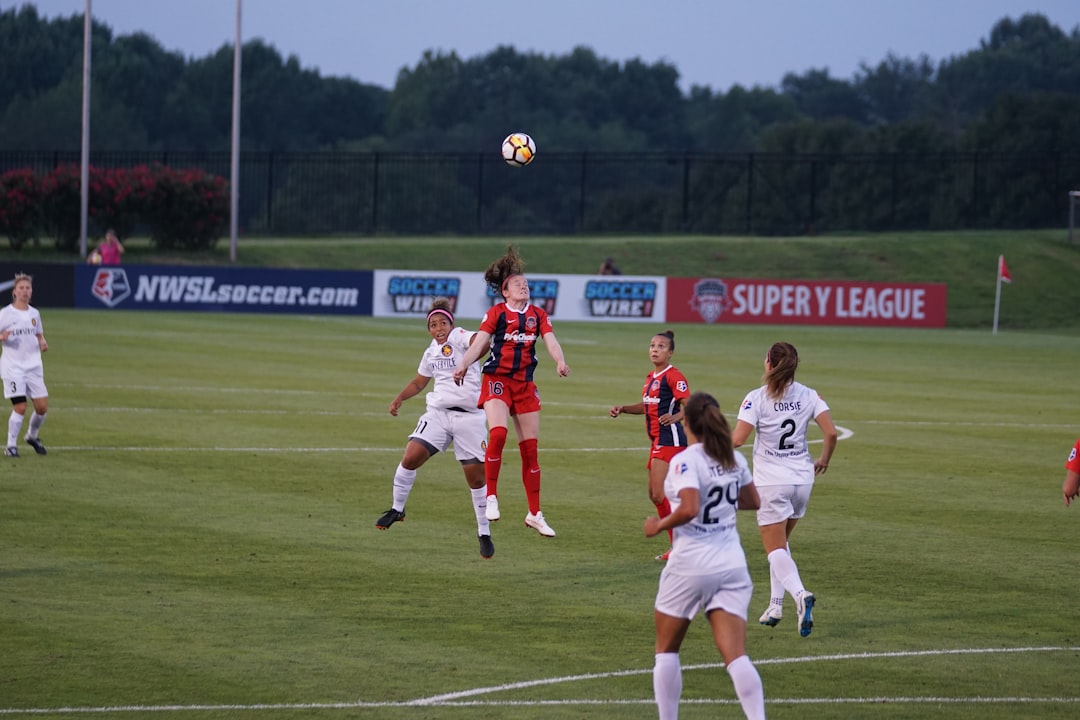
The world of soccer is a diverse and complex one, with various leagues and tournaments that cater to different levels of play and geographical locations. In the context of Canadian soccer, one of the prominent leagues is the LOSL, which provides a platform for teams to compete and develop their skills. Understanding the dynamics of LOSL soccer is crucial for soccer club owners, academy directors, league administrators, coaches, and technical directors who aim to navigate the Canadian soccer landscape effectively.
History and Development of LOSL Soccer
LOSL soccer has its roots in the historical development of soccer in the region, with the league evolving over the years to accommodate the growing interest in the sport. This evolution has been marked by changes in league structure, participation, and the level of competition. For instance, the inclusion of new teams and the establishment of divisions have contributed to the league’s growth and diversity.
Impact on Local Communities
The presence of LOSL soccer in local communities has been significant, fostering a sense of unity and providing recreational and competitive opportunities for players of all ages. Local businesses also benefit from the league, as matches and tournaments attract spectators who contribute to the local economy. The social impact of LOSL soccer extends to promoting health and wellness, as participation in soccer encourages physical activity and a healthy lifestyle.
Structure and Operations of LOSL Soccer
Understanding the structure and operations of LOSL soccer is essential for stakeholders who wish to engage with the league. This includes knowledge of the league’s governance, rules and regulations, scheduling, and player development programs. For example, the league’s governance structure might include a board of directors, committees for specific tasks such as discipline and competitions, and a secretariat for day-to-day operations.
Governance and Administration
Effective governance is critical to the success of LOSL soccer, ensuring that the league operates fairly, transparently, and in accordance with its objectives. This involves setting policies, managing finances, and overseeing competitions. The administration of the league also involves communicating with stakeholders, including teams, players, and spectators, to ensure that everyone is informed about league activities and developments.
Player and Team Development in LOSL Soccer
Player and team development are at the heart of LOSL soccer, with the league providing a platform for athletes to hone their skills, gain experience, and potentially progress to higher levels of competition. This development is supported by coaching programs, training sessions, and mentorship initiatives that aim to improve the technical, tactical, physical, and psychological aspects of players’ games.
Role of Coaching in LOSL Soccer
Coaches play a pivotal role in LOSL soccer, not only in terms of team strategy and tactics but also in the development of individual players. Effective coaching involves creating a positive learning environment, setting achievable goals, and providing constructive feedback. Coaches in the LOSL are expected to adhere to high standards of professionalism, including ongoing education and adherence to ethical coaching practices.
LOSL Soccer and the Canadian Soccer Landscape
LOSL soccer operates within the broader context of Canadian soccer, interacting with other leagues, associations, and governing bodies. This interaction is crucial for the advancement of the sport, as it facilitates the sharing of best practices, collaboration on developmental programs, and the alignment of competitions and calendars. For instance, the Canadian Academy soccer league teams”>Soccer League (CASL) might collaborate with LOSL soccer on initiatives related to youth development and talent identification.
Collaboration and Partnerships
Collaboration between LOSL soccer and other soccer entities in Canada can lead to mutually beneficial outcomes, such as enhanced player development pathways, improved coaching standards, and more competitive and attractive leagues. Partnerships might also involve working with local authorities, schools, and community groups to promote soccer and increase participation rates.
Challenges and Opportunities in LOSL Soccer
Like any sports league, LOSL soccer faces challenges that range from financial sustainability and player retention to competition from other sports and leagues. However, these challenges also present opportunities for innovation, growth, and improvement. For example, embracing technology can enhance fan engagement, improve operational efficiency, and provide new revenue streams.
Financial Sustainability
Achieving financial sustainability is a key challenge for LOSL soccer, requiring a balanced approach to revenue generation and expenditure. This might involve diversifying revenue streams, such as through sponsorships, broadcasting rights, and merchandise sales, as well as managing costs effectively. Financial stability is essential for the long-term viability of the league and its ability to invest in player and team development.
Conclusion
LOSL soccer is a vital component of the Canadian soccer ecosystem, offering a competitive and developmental environment for teams and players. As the sport continues to grow in popularity, understanding the dynamics, challenges, and opportunities within LOSL soccer is crucial for its stakeholders. By focusing on player development, effective governance, and strategic partnerships, LOSL soccer can contribute to the advancement of soccer in Canada, providing a platform for athletes to achieve their potential and for the sport to thrive.
Call to Action: For soccer club owners, academy directors, league administrators, coaches, and technical directors looking to engage with LOSL soccer or learn more about its operations and development programs, consider reaching out to the league directly or exploring resources provided by soccer governing bodies in Canada. Engaging with the soccer community, whether through participation, volunteering, or sponsorship, can also contribute to the growth and success of LOSL soccer and the sport as a whole.
Related posts
 Coach
Coach
Weyburn Saskatchewan Soccer League Players
 British Columbia Soccer